
What happens when the one thing that keeps you alive becomes part of your everyday life?
Four years ago, I could not have imagined that I would be living with a device that helps my heart pump blood. I never thought I would face end-stage heart failure, undergo open-heart surgery, or spend years waiting for a heart transplant.
Yet, here I am today. Four years with my Left Ventricular Assist Device, or LVAD, and still moving forward with hope.
As I look back, I am reminded of how much my life has changed. My health, my daily routine, my outlook, and even my character have all been shaped by this journey.
One year after my LVAD surgery, I made my first YouTube video to share my congestive heart failure story. It was spontaneous and unscripted. I simply wanted to pour my heart out and talk about what had happened to me.
I did not know how the video would turn out. I only knew that sharing my story might help someone else feel less alone.
Today, as I mark four years with my LVAD, I want to look back at where it all began, what this journey has taught me, and why I continue to believe that better days are ahead.
When My Heart Began to Fail
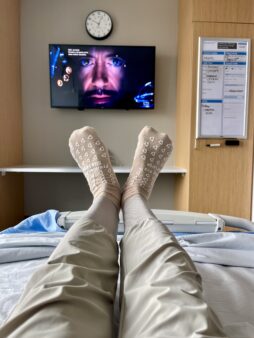
My journey with congestive heart failure, or CHF, began in April 2022, but the signs may have started months earlier.
In the last quarter of 2021, I had COVID. After that, I began to feel unwell. Looking back, I wonder if the infection played a role in what happened to my heart. I cannot say for sure, but the timing made me think about the connection.
At first, I had no idea how serious things would become. Like many people, I hoped that whatever was wrong would pass with time.
But my condition got worse.
During a family spring break trip to Vancouver in April 2022, my body began to show signs that something was very wrong. I had severe swelling around my midsection and back. My wife, MJ, who is a registered nurse, knew I needed medical care.
Because of insurance concerns while we were in Canada, we drove to Bellevue, Washington. We arrived at Overlake Medical Center in the early hours of the morning.
That night changed my life.
I was diagnosed with end-stage heart failure. My heart was severely enlarged, and I learned that it was struggling to do its most basic job: pump blood through my body.
It was hard to understand how this could happen to someone who had once been so active. Just months earlier, I was living my usual life. Now, I was facing a serious disease that would change almost everything.
What Is Congestive Heart Failure?
Congestive heart failure does not mean that the heart has stopped working. It means the heart cannot pump blood well enough to meet the body’s needs.
When the heart becomes weak or damaged, blood flow can slow down. Fluid may then build up in the body. This can cause swelling, shortness of breath, tiredness, and sudden weight gain.
Heart failure can affect people in different ways. Some people manage it with medicine and changes to their daily habits. Others need more advanced care.
In my case, the damage to my heart was severe.
Still, I held on to one big hope: that medication would help my heart recover.
I believed that if I took my medicine, followed the doctors’ advice, and gave my body time to heal, things might get better. I wanted to return to my old life and do the things I loved.
But sometimes, the outcome is not what we hope for.
Six Months of Treatment and a Difficult Reality
For about six months, I underwent treatment and hoped my heart would improve. I wanted the medicine to fix what was wrong and help me regain my strength.
Sadly, my heart did not recover enough.
My medical team had to consider more advanced treatments to keep me alive. This was a difficult reality to accept. I had to face the fact that medication alone was not enough.
In October 2022, I underwent open-heart surgery to receive an LVAD.
It was a major step in my treatment, and it changed the way I would live from that point on.
I knew the surgery was meant to help me survive, but I also knew that life with an LVAD would bring new challenges. I would need to learn how to care for the device, follow a strict routine, and adjust to a new way of living.
I was grateful for the chance to keep going, even though I did not know what the road ahead would look like.
What Is an LVAD, and How Does It Keep Me Alive?
An LVAD is a mechanical pump that helps a weak heart move blood through the body. It does not replace the heart. Instead, it supports the heart when it can no longer pump well enough on its own.
Part of the device sits inside the chest, while a cable called a driveline passes through the skin and connects to a controller and power source outside the body.
I carry batteries and a medical-device bag during the day. At night, I use a special power unit. I also need regular driveline care, blood tests, and close medical follow-up.
These things are now part of my daily life.
There are times when I wish I could leave the equipment behind and move around without thinking about it. Even simple activities need more planning than they did before.
But I remind myself why the device is there.
My LVAD helps keep me alive. It gives me the chance to spend time with my family, enjoy good food, travel when possible, and make new memories while I wait for a heart transplant.
And today, four years later, I am grateful that it is still working well and that I remain alive and functional.
Time really does fly.
Four Years Later: A Life That Has Changed Me
Living with a serious illness changes more than your body. It can change the way you think, feel, and see the world.
Before my diagnosis, I often focused on work, plans, travel, and the next thing I wanted to do. I was used to being active and independent. I rarely stopped to think about how much I was asking my body to do.
Heart failure forced me to slow down.
I had to learn that I could not control everything. I could follow my treatment plan, care for my body, and listen to my doctors, but I could not force my heart to heal.
That lesson was hard. It also taught me patience.
I have learned to value small moments more than ever. A meal with family, a laugh with friends, a birthday celebration, or a quiet day at home can mean so much when you understand how fragile life can be.
I have also learned that being strong does not mean pretending to be fine all the time. Some days are hard. Some days bring fear and frustration. There are moments when I wonder how long I will have to wait for a new heart.
But I have learned to keep going, even when I do not have all the answers.
My wife, MJ, my family, and my friends have been a big part of this journey. Their love and support have helped me through some of my hardest days. My faith in God has also given me comfort and hope when the future feels uncertain.
This experience has not made every day easy, but it has helped me become more patient, more grateful, and more aware of what truly matters.
The First Video That Helped Me Tell My Story
About one year after my LVAD surgery, I decided to make my first YouTube video about my heart failure journey.
There was no detailed script. I did not plan every word or try to make it perfect. I simply turned on the camera and started talking.
I wanted to share what had happened, how I felt, and what it was like to go through such a life-changing experience.
As I spoke, I found myself looking back on the fear, the uncertainty, the treatments, and the many changes I had to accept. It gave me a chance to put my thoughts into words and reflect on a chapter of my life that was still fresh in my mind.
Making that video was helpful to me. Sometimes, talking about a difficult experience helps you understand it better. It allows you to look back and see how far you have come, even when you are still facing the same challenge.
I also hoped that someone else might find comfort in my story.
Living with a chronic disease can feel lonely. It is easy to think that no one else understands what you are going through. If my video could help even one person feel seen, encouraged, or less alone, then sharing it was worth it.
I did not make the video because I had all the answers. I made it because I was still learning how to live with my condition.
And I am still learning today.
Four years with an LVAD have taught me that a story does not need to be perfect to matter. Sometimes, the most honest words are the ones that come straight from the heart.
Looking Ahead to Chapter Two
Serious illness can affect anyone, at any age and in any stage of life. We may think we have plenty of time before something like this happens, but life does not always follow the plans we make.
Some people are fortunate to have treatments that can help them live longer and better lives. Others may not have that same chance. Each person’s journey is different, and none of us knows exactly what tomorrow will bring.
What we can do is learn to face life as it comes.
We can accept what we cannot change, seek help when we need it, and find strength in the people who stand beside us. We can hold on to our faith, stay open to hope, and be grateful for the time we have.
Today, I am still living with my LVAD while waiting for the treatment that I hope will bring this chapter to a close: a heart transplant.
I do not know when that day will come. Waiting is not easy, but I continue to hope that the right heart will arrive soon.
When it does, I look forward to beginning a purposeful second chapter of my life.
Until then, I will keep living, loving, sharing my story, and finding reasons to be grateful.
Four years ago, I faced a future I never expected. Today, I am still here.
My heart may need help, but my hope is still strong. And as long as I have another day, I will keep finding reasons to be grateful.