(Have you ever wanted to bake a Filipino favorite at home but wondered if you could get it right on your first try?
That was me when I decided to make ube pandesal for the first time. I love Filipino food, and I wanted to try making these soft, purple bread rolls in my own kitchen.
The good news? It worked! My first batch of homemade ube pandesal was a success, and the experience made me want to bake more.
I adapted a recipe by Amy Besa from her cookbook, Memories of Philippine Kitchens. It was a fun way to bring a little taste of the Philippines into our home. Here is what I learned, how I made the bread, and why I think this will be the first of many batches.

What Makes Ube So Special in the Philippines?
Ube, or purple yam, has been part of Filipino food culture for generations. It has a bright purple color and a mild, sweet flavor that many people describe as nutty, with hints of vanilla.
In the Philippines, ube is much more than a pretty ingredient. It brings back memories of family gatherings, holidays, birthdays, and favorite childhood treats.
One of the best-known ube desserts is ube halaya, a sweet yam jam often served on its own or used in other desserts. Ube is also popular in halo-halo, ice cream, cakes, cookies, pastries, and many other Filipino sweets.
And, of course, there is ube pandesal!
Pandesal is a beloved Filipino bread roll. It is often eaten for breakfast or as a snack, with coffee, hot chocolate, or a favorite filling. Adding ube gives this familiar bread a colorful twist.
Ube pandesal became especially popular in the Philippines during the pandemic, when bakeries and home bakers helped turn it into a favorite comfort food. Ube cheese pandesal, with its soft bread and melted cheese filling, became a hit with many Filipinos. Social media also helped spread the trend.
Why Is Ube Becoming Popular Around the World?
Ube is no longer just a Filipino favorite. It is showing up in cafes, bakeries, restaurants, and supermarkets around the world.
Today, you can find ube-flavored lattes, doughnuts, waffles, pancakes, cheesecakes, cookies, and ice cream. Some large food brands have also introduced ube products, helping more people discover this Filipino ingredient. []
So, why is everyone talking about ube?
First, its purple color makes food stand out. It looks beautiful in photos and videos, which helps it spread on social media. Second, its gentle sweetness makes it easy to enjoy in many kinds of food. Finally, people are becoming more interested in Filipino food and the stories behind it.
For Filipinos living abroad, ube can also bring a taste of home. For those trying it for the first time, it offers something new and exciting.
For me, it is wonderful to see an ingredient that has long been part of Filipino kitchens getting attention around the world.
My Inspiration: Amy Besa’s Ube Pandesal Recipe
For my first attempt, I adapted Amy Besa’s ube pandesal recipe from her book, Memories of Philippine Kitchens.
Amy Besa is a Filipino food writer, restaurateur, and advocate for Filipino cuisine. Along with her husband, chef Romy Dorotan, she helped introduce Filipino food to a wider American audience through their New York restaurants, Cendrillon and Purple Yam.
Their work helped show that Filipino food is rich, varied, and worth exploring. Their cookbook, Memories of Philippine Kitchens, shares recipes, cooking traditions, and stories about Filipino food and culture. It has also influenced cooks who wanted to learn more about their own food heritage. []
I liked the idea of learning from a recipe rooted in Filipino cooking while giving it a try in my own kitchen. I made some adjustments to the original, but kept the main steps for making the dough, letting it rise, shaping the rolls, and coating them with bread crumbs.
My Homemade Ube Pandesal Recipe
Ingredients
- 3 cups bread flour
- ½ cup ube (purple yam) flour
- 2 envelopes active dry yeast
- 2 teaspoons salt
- ¼ cup sugar
- 4 tablespoons (½ stick) unsalted butter, at room temperature
- ½ cup fine, dry bread crumbs, plus more for coating
- 1½ cups warm water

Step 1: Mix the Dough
In the bowl of an electric mixer, combine half of the bread flour with all the ube flour. Add the yeast, salt, and sugar.
Pour in the warm water. Using a hand beater, mix until you have a smooth batter. Blend in the butter.
Step 2: Knead the Dough
Place the bowl in the electric mixer and attach the dough hook.
With the hook running, add the remaining bread flour, ½ cup at a time. Continue mixing until the dough forms a rough ball and pulls away from the sides of the bowl.

Step 3: Let the Dough Rise
Transfer the dough to a large buttered bowl and cover it with plastic wrap.
Place it in a warm, draft-free spot and let it rise until doubled in size, about one hour.

Punch down the dough to release the air. Cover it again and let it rise a second time until doubled, about 30 minutes.

Step 4: Shape the Rolls
Punch down the dough once more and divide it in half.

Working with one half at a time, shape the dough into about 16 equal rolls. Roll each piece between your palms to form a ball.

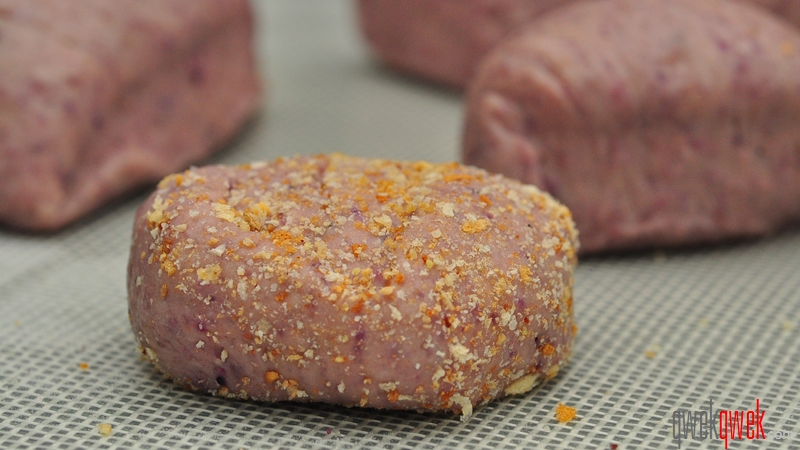
Roll the balls in the bread crumbs until coated.


Step 5: Let the Rolls Rise Again
Place the rolls on a baking sheet. Cover them loosely with a damp kitchen towel and let them rise for another 30 minutes.
Meanwhile, preheat the oven to 400°F.
Step 6: Bake the Ube Pandesal
Sprinkle the rolls with more bread crumbs and bake for 20–25 minutes, until lightly browned and firm on the bottom.

Transfer the rolls to wire racks and let them cool.

And that is it! Freshly baked ube pandesal, made right at home.
What I Learned from My First Batch
My first time making ube pandesal taught me that baking bread takes patience, but it does not have to be scary.
The dough needs enough time to rise, so it is important not to rush the process. I also learned that the dough can feel different depending on the flour and how much water it absorbs. Adding the flour gradually helps you see when the dough has reached the right texture.
Another lesson is to give the rolls enough space on the baking sheet. They need room to rise and bake evenly.
Most of all, I learned that trying something new in the kitchen can be very rewarding. Even if the first attempt is not perfect, each batch teaches you something useful.
How to Enjoy Homemade Ube Pandesal
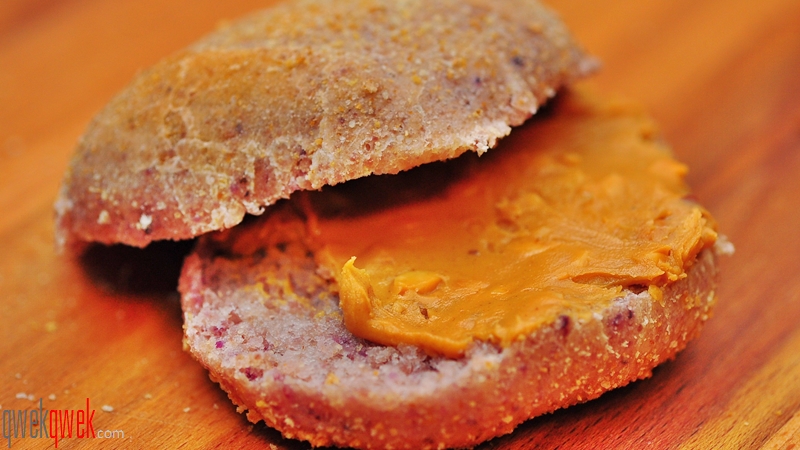
Once the rolls have cooled, slice one in the middle and add your favorite filling.
You can keep things simple with peanut butter or coconut jam, also known as coco jam. For a savory twist, try corned beef or adobo flakes.
That mix of soft bread and a sweet or savory filling makes ube pandesal such a fun treat. You can enjoy it for breakfast, as an afternoon snack, or whenever you want a taste of home.
My First Batch, and Many More to Come!
I am happy to say that my first attempt at homemade ube pandesal was successful. It was exciting to see the dough rise, shape the little rolls, and pull the finished bread from the oven.
There is something special about making a Filipino favorite from scratch. It connects us to our food traditions while giving us room to try new things.
This recipe has inspired me to keep baking and learning. Next time, I may try adding a filling or testing a few different versions.
For now, I am simply glad that I gave it a try. My first homemade ube pandesal was a success, and I have a feeling it will not be my last.
Sometimes, all it takes is one successful recipe to open the door to many more kitchen adventures.
Have you tried making ube pandesal at home? Share your tips and favorite fillings in the comments. I would love to hear how you make yours!
One meal, one journey, one day at a time.