Have you ever wondered what would happen if you took one of the Philippines’ most loved dishes and made it with juicy baby back ribs? That was the idea behind my first attempt at making baby back ribs adobo. I wanted to try something different while keeping the rich, tangy flavors that make Filipino adobo so special.
The result was a dish that brought together tender pork, garlic, peppercorns, vinegar, and a little heat from jalapeño peppers. It was my kind of Filipino comfort food, with a fun twist that made me want to cook it again.
What Makes Filipino Adobo So Special?
Ask any Filipino about adobo, and you will likely hear a story about home, family, or a favorite meal. Adobo is one of the most well-known dishes in Filipino cooking. It is often made with pork or chicken cooked in vinegar, soy sauce, garlic, bay leaves, and peppercorns.
The mix of flavors is what makes adobo stand out. The vinegar adds a sharp tang, the garlic brings a deep aroma, and the peppercorns give it a warm bite. Soy sauce adds color and a savory taste.
But here is something interesting about Filipino adobo: there is no single recipe that everyone follows.
Different regions in the Philippines have their own ways of making it. Some cooks use more vinegar, while others prefer a sweeter or saltier sauce. Some add coconut milk, turmeric, or other spices. Even within the same family, every household seems to have its own version.
That is one of the things I love about Filipino food. Recipes change from one kitchen to another, and each cook adds a little of their own story.
Inspired by Amy Besa’s Memories of Philippine Kitchens
For this recipe, I turned to Memories of Philippine Kitchens, a cookbook by Amy Besa and her husband, chef Romy Dorotan. Amy Besa is a Filipino restaurateur, author, and advocate for Filipino food and culture. Through her work, she has helped share the richness of Filipino cooking with a wider audience.
I love this cookbook because it offers more than recipes. It gives readers a closer look at the food, people, and traditions that make Filipino cuisine special.
It also inspires me to explore more Filipino dishes and try recipes that go beyond the meals I grew up eating.
This baby back ribs adobo was inspired by the version in the book. Instead of using the usual pork cuts or chicken, I decided to try baby back ribs. I was curious to see how the flavors would work with this cut of meat.
And I am glad I gave it a try!
Why Use Baby Back Ribs for Adobo?
I have always loved ribs. There is something special about meat that becomes tender enough to pull away from the bone. Ribs also have a rich flavor that works well with a bold, tangy sauce.
Traditional pork adobo is often made with pork belly, shoulder, or other cuts that can handle a long simmer. Chicken is another popular choice. These meats absorb the flavors of the sauce in their own way.
Baby back ribs bring something different to the table. They have a good balance of meat and fat, and cooking them slowly helps soften the meat while allowing the garlic, peppercorns, and vinegar to work their magic.
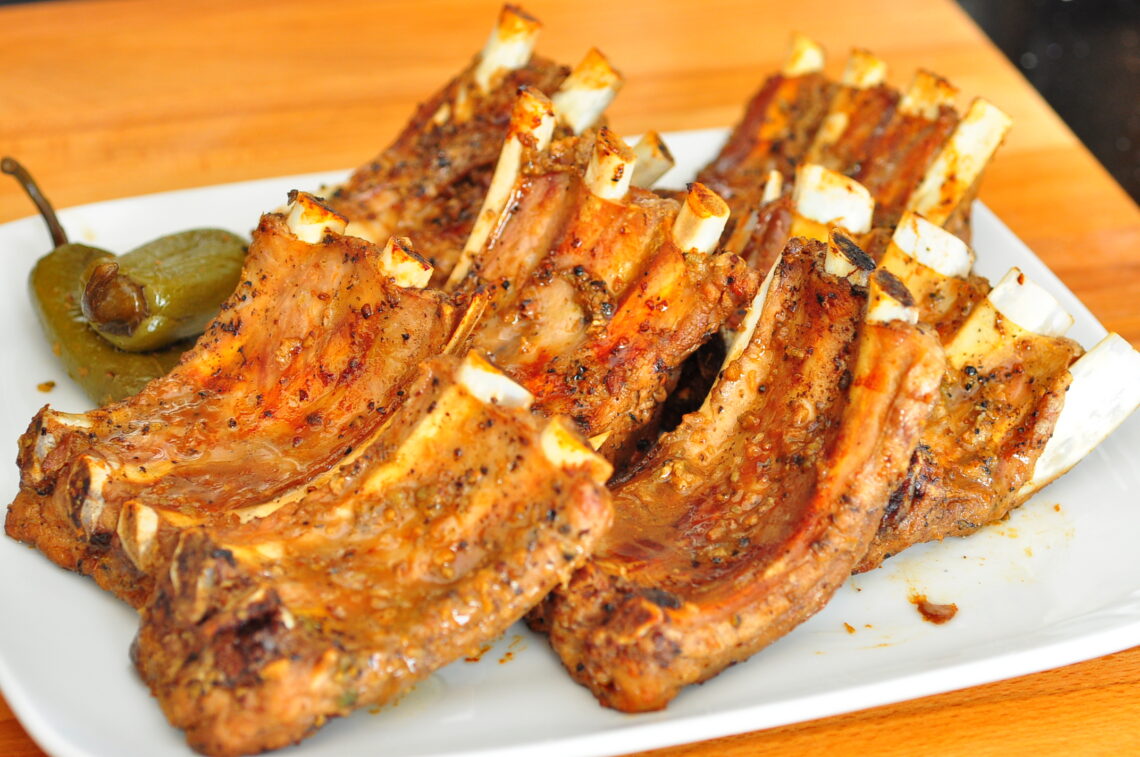
The final step is what makes this recipe even more exciting. After simmering the ribs until tender, you reduce the cooking liquid into a thicker sauce. Then you coat the ribs and place them under the broiler.
That quick blast of heat adds color and gives the outside a lovely finish. You get the familiar taste of adobo with a look and texture that feel a little closer to a special rib dish.
Ingredients for Baby Back Ribs Adobo
Here is what I used for my first attempt.
- 1 side of baby back ribs, about 2 pounds, cut into individual ribs or two-rib portions
- 1 cup apple cider vinegar
- 1 tablespoon low-sodium soy sauce or coconut aminos
- 3 small bay leaves
- 2 large jalapeño chiles, adjusted to taste
- 2 teaspoons salt alternative
- 6 garlic cloves, peeled
- 2 teaspoons peppercorns
A Healthier Take on Filipino Adobo
Since I need to watch my sodium intake, I used low-sodium soy sauce and a zero-sodium salt alternative. These swaps let me enjoy a familiar Filipino dish while paying closer attention to the amount of sodium in my meals.
If you also need to limit sodium, check the labels on your soy sauce, coconut aminos, and salt alternative. Sodium levels vary by brand, and some salt substitutes contain potassium chloride. If you have heart or kidney problems or take certain medicines, ask your health care team whether potassium-based salt substitutes are safe for you.
Keep in mind that low-sodium soy sauce still contains sodium. Using less of it can also help.
If you have no dietary restrictions, you can use regular soy sauce and ordinary table salt instead. Just adjust the amounts to suit your taste.
How to Make Baby Back Ribs Adobo
1. Make the Marinade
In a small bowl, combine the apple cider vinegar, soy sauce, bay leaves, and jalapeño peppers.
This simple mixture forms the base of the adobo sauce. The vinegar gives the dish its signature tang, while the peppers add a little heat.

2. Season the Ribs
Arrange the ribs in a baking pan and season them with the salt alternative.
Using a mortar and pestle, gently pound the garlic cloves and peppercorns until they are coarsely crushed and combined. Rub this mixture over the ribs so the meat gets plenty of flavor.
Pour the vinegar mixture over the ribs, turning them to coat all sides.
Cover the pan tightly and refrigerate for at least one hour. If you have time, marinate them overnight for deeper flavor. Keep the ribs refrigerated while marinating.

3. Simmer Until Tender
When you are ready to cook, transfer the ribs and marinade to a large, heavy saucepan.
Bring the mixture to a boil, then lower the heat. Cover the pan and simmer for about one hour, or until the meat is tender and nearly falling off the bone.
Cooking time may vary depending on the size and thickness of your ribs. Check them as they cook and add a little water if the liquid becomes too low before the meat is tender.
Once done, transfer the ribs to a plate.

4. Reduce the Sauce
Increase the heat and cook the marinade uncovered for about five to ten minutes. Let it simmer until the liquid becomes a medium-thick sauce.
If it is still too thin, give it a few more minutes. Keep an eye on the pan because the sauce can reduce quickly.
Remove and discard the bay leaves and jalapeño peppers.
This step is important because a thicker sauce will cling better to the ribs and give them a richer finish.
5. Broil the Ribs
While reducing the sauce, preheat your broiler.
Place the ribs on a foil-lined broiler pan and pour the reduced sauce over them.
Broil for three to five minutes on each side, watching closely until the ribs are nicely browned. Broilers can burn food quickly, so do not walk away.
Serve the ribs while they are hot, with extra sauce if you like.

Tips for Making This Adobo Your Own
One of the best things about Filipino adobo is how easy it is to adjust. Here are a few ideas to try the next time you make it.
Adjust the tanginess. If you love a strong vinegar flavor, keep the recipe as written. If you prefer a milder taste, try reducing the vinegar slightly and adding a little water. You can also let the sauce simmer longer to mellow the sharpness.
Choose your level of heat. Jalapeños give the ribs a gentle kick. Use one pepper for less heat or add more if you enjoy spicy food. Removing the seeds and inner membranes can also reduce the heat.
Crush the peppercorns well. Coarsely crushed peppercorns release their flavor while adding little bursts of spice. If you prefer a smoother sauce, you can lightly crush them or use a spice grinder.
Give the ribs enough time. Do not rush the simmering step. The meat needs time to become tender. If the ribs are still tough after an hour, continue cooking and check them again.
Watch the sauce as it reduces. You want it thick enough to coat the meat, but not so thick that it burns. If it becomes too salty or concentrated, add a small splash of water.
Think about how you will serve it. Steamed rice is a natural match for adobo because it soaks up the sauce. For a balanced meal, add a vegetable side such as steamed green beans, cabbage, or sautéed vegetables prepared with little or no added salt.

My First Attempt at Baby Back Ribs Adobo
I am happy with how this first attempt turned out. Taking a familiar Filipino dish and making it with baby back ribs was a fun way to explore a different side of adobo.
I especially like the idea of simmering the ribs until tender, then finishing them under the broiler. That extra step adds a nice touch and makes the dish feel special without making the cooking process too complicated.
Most of all, this recipe reminded me why I enjoy exploring Filipino cuisine. There are so many versions of familiar dishes to discover, and a good cookbook can open the door to new ideas.
Amy Besa’s Memories of Philippine Kitchens has inspired me to keep trying more Filipino recipes, and this adobo is one I can see myself making again.
Next time, I may experiment with the spice level or make small changes to the sauce. But for a first try, I consider this a success.
After all, cooking is not just about following a recipe. It is also about learning, exploring, and finding new ways to enjoy the food we love.
And for me, this baby back ribs adobo is a delicious reason to keep exploring Filipino cooking, one meal at a time.